Why It Matters.
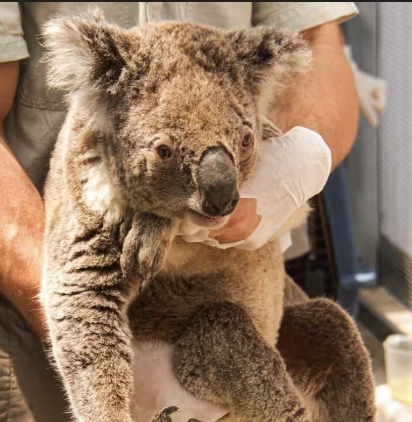
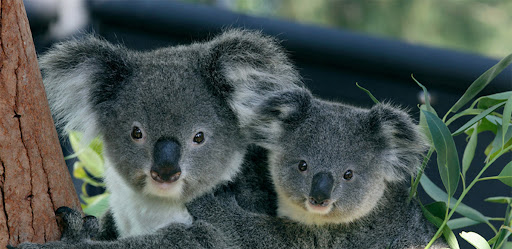
Australia’s iconic koalas face extinction by 2050.
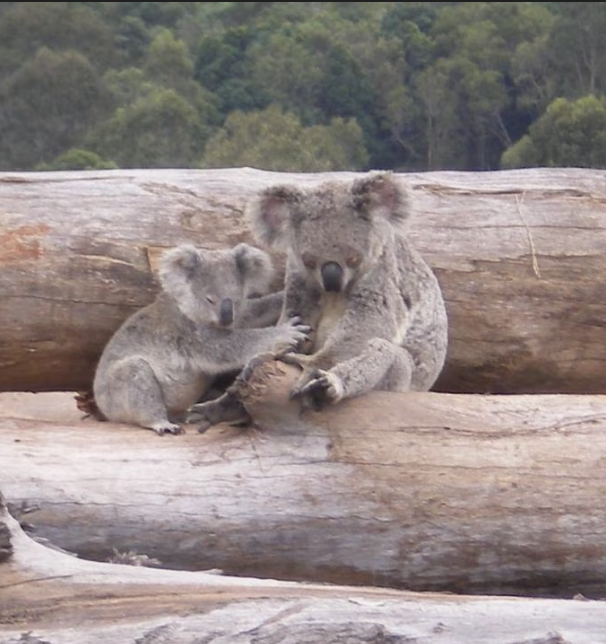
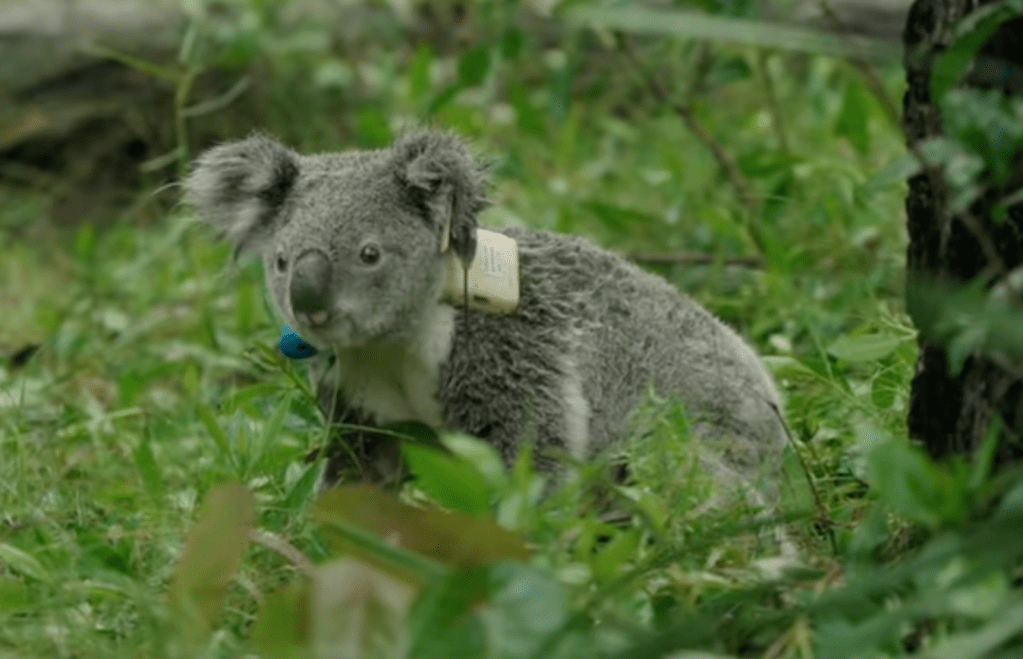
Found mostly on the east coast of Australia, koala populations have plummeted by more than half over the last 20 years due to deforestation, disease, bushfires, and climate change – placing the face of Australian forests in the endangered species list.
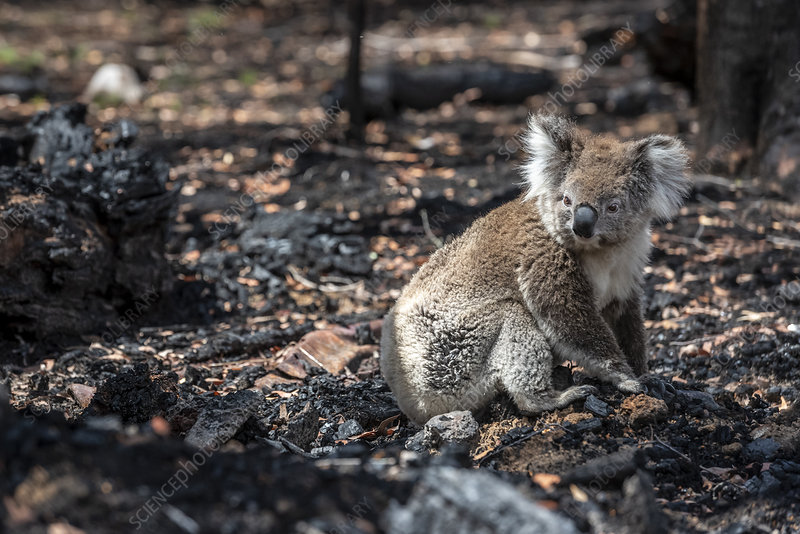
Why Should We Count Koalas?
Conservation councils and governments need to know koala population size, distribution, and trends to effectively intervene.
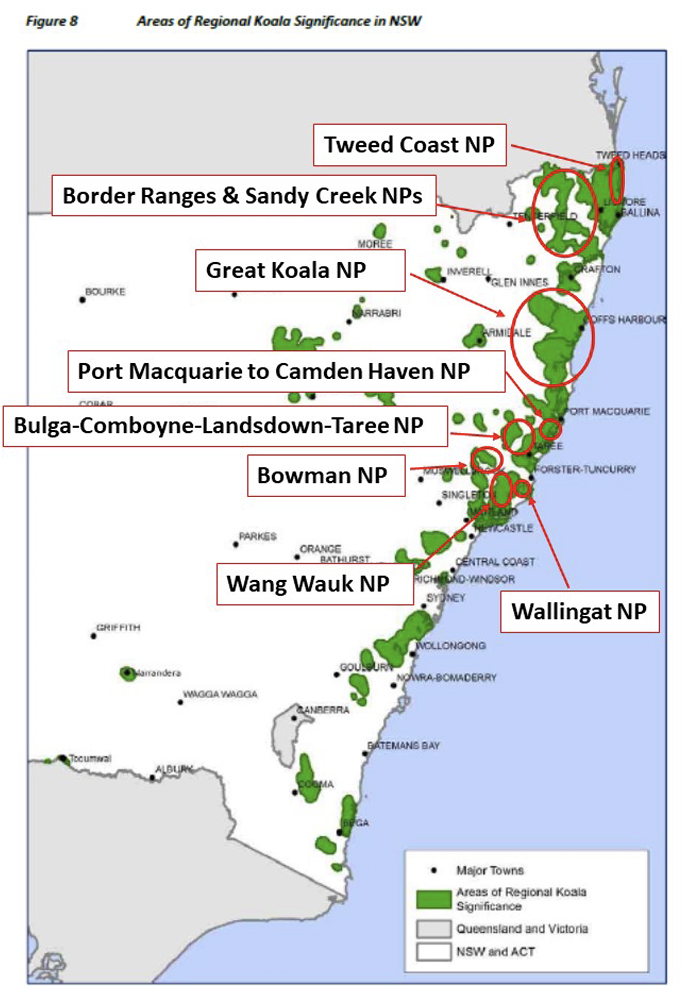
These statistics are crucial to guiding government policy such as designating protected areas (see image on left) and conservation strategies, and assessing the effectiveness of current efforts.
Current Koala Counting Methods
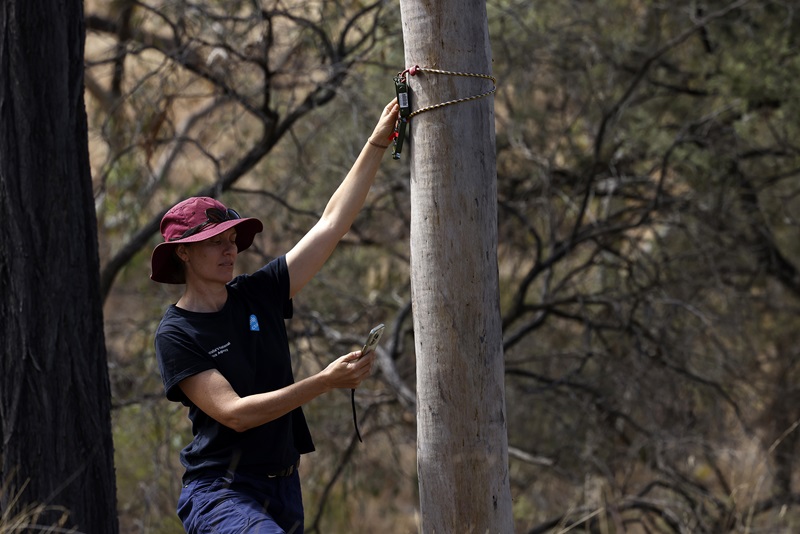
Koala counting by hand is…

Slow.
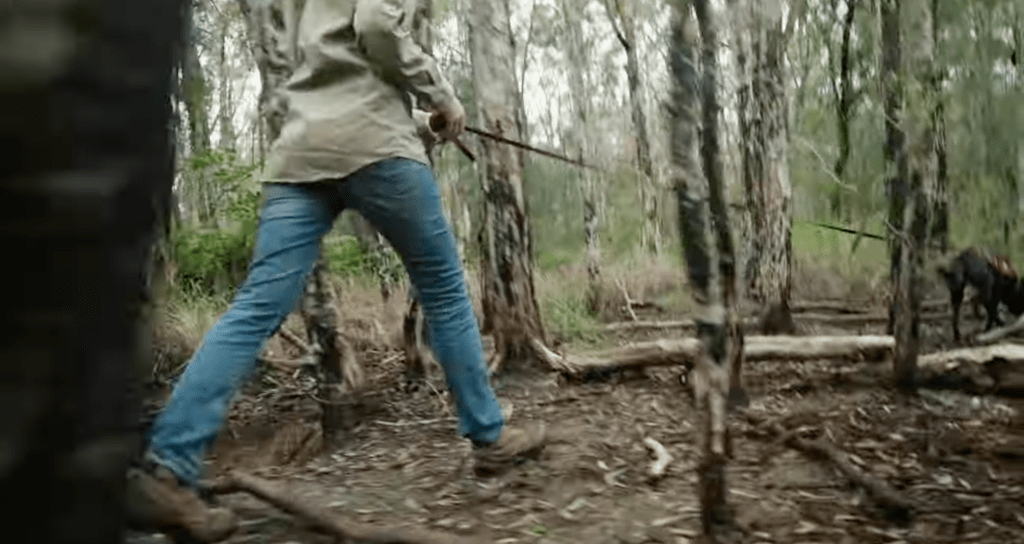
It requires humans to cover an expansive area by foot, making it time-consuming.

Inaccurate.
Koalas are notoriously difficult to detect as they’re generally solitary, well-camouflaged and mostly quiet, and they can sit high in the tree canopy.

Dangerous.
Manual counting faces natural counters such as snake hazards, bushfires, harsh weather, and rough terrain, just to name a few.
Other methods include:
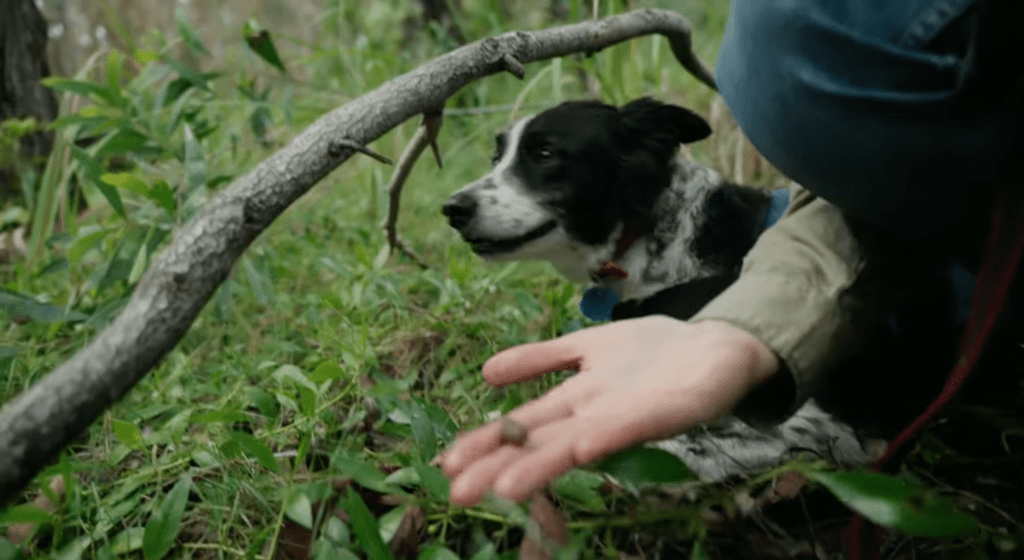
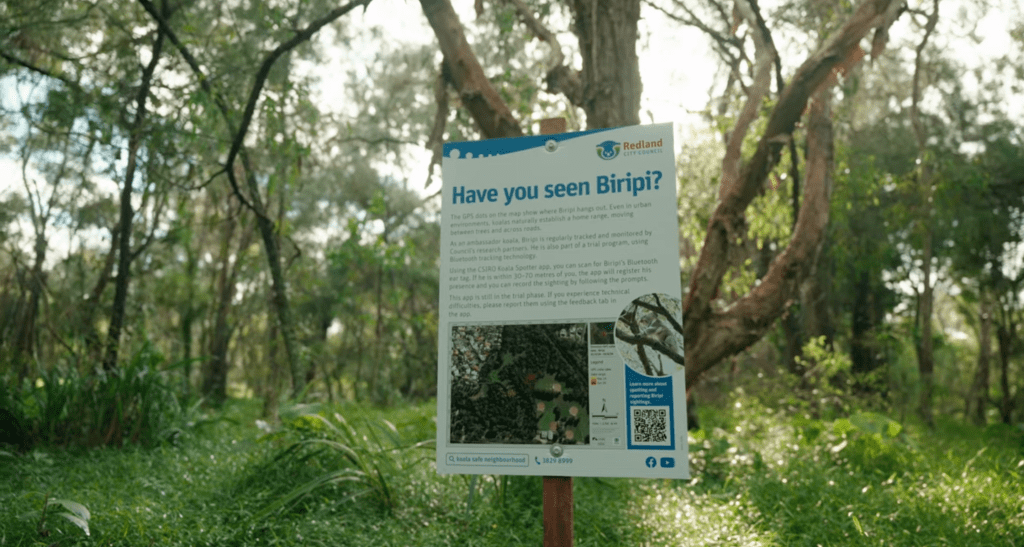
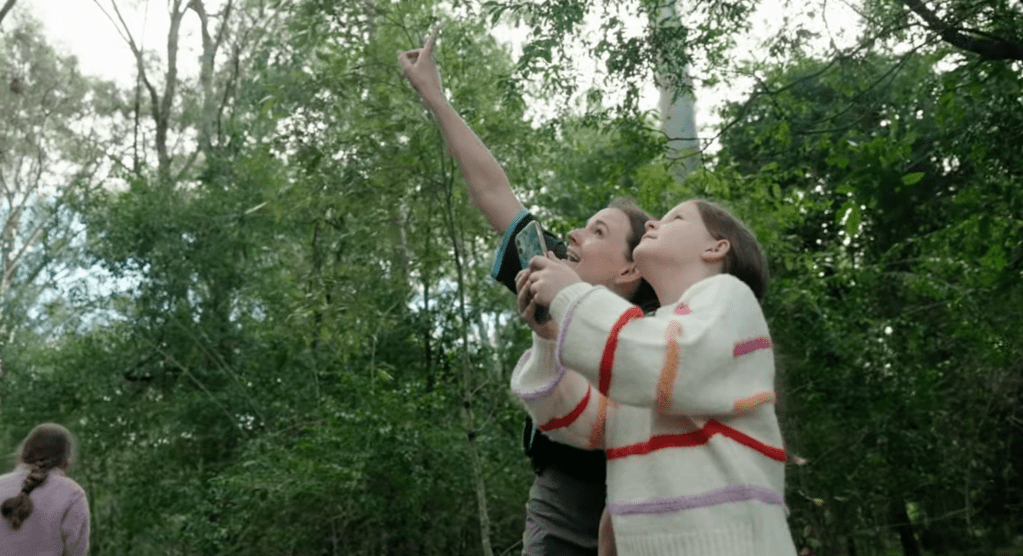
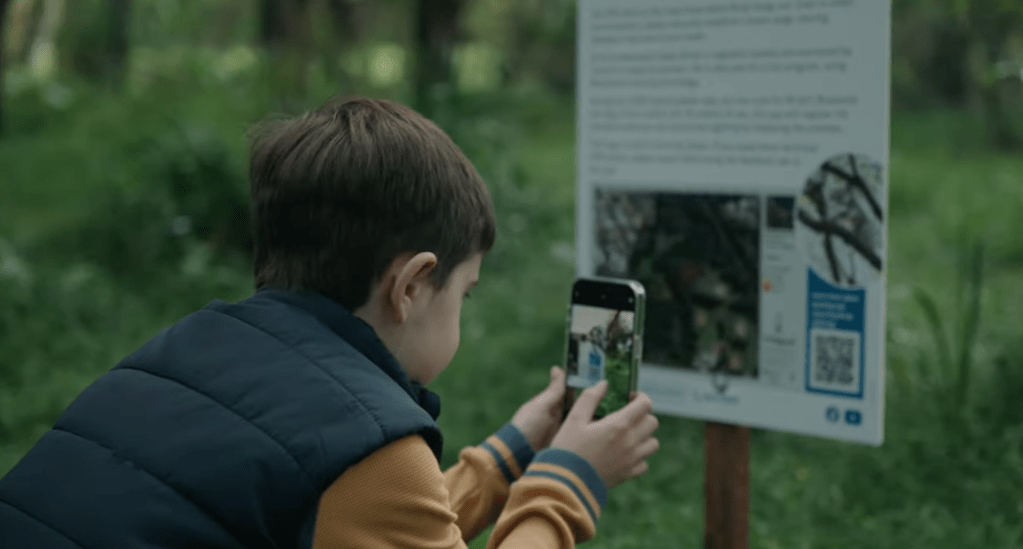
Citizen scientist apps
- Limited to areas commonly traversed by people, such as in suburbia, near walking tracks or on private property
- Manual and vision is limited
- Participants are often inexperienced koala spotters
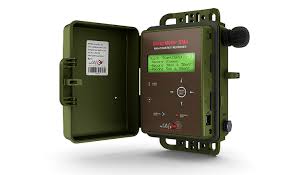
The TerraTracker’s Impact
A hybrid to fill in the gaps.

Speeds up wildlife counting.

Provides smart, accurate data.

Fully autonomous, no human effort.
Our Future Vision
The TerraTracker is designed to scale beyond one species, one country, or one problem.
Global Applications
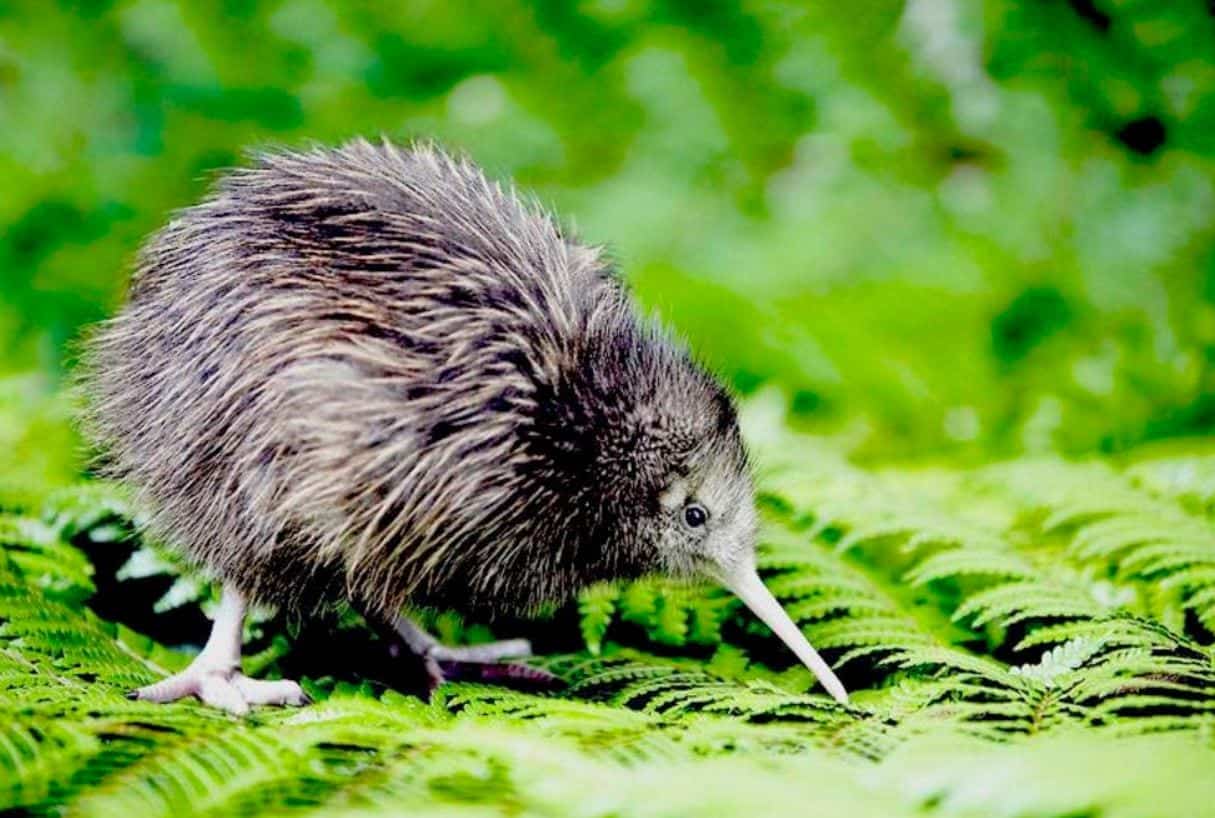
Although designed for koalas, the TerraTracker’s flexible design of detachable components can be adapted and its AI detection retrained for other national animals on the endangered species list.
Our Long-Term Vision
We envision a network of TerraTrackers operating across national parks, reserves, and remote ecosystems around the world.

The TerraTracker is part of the effort.